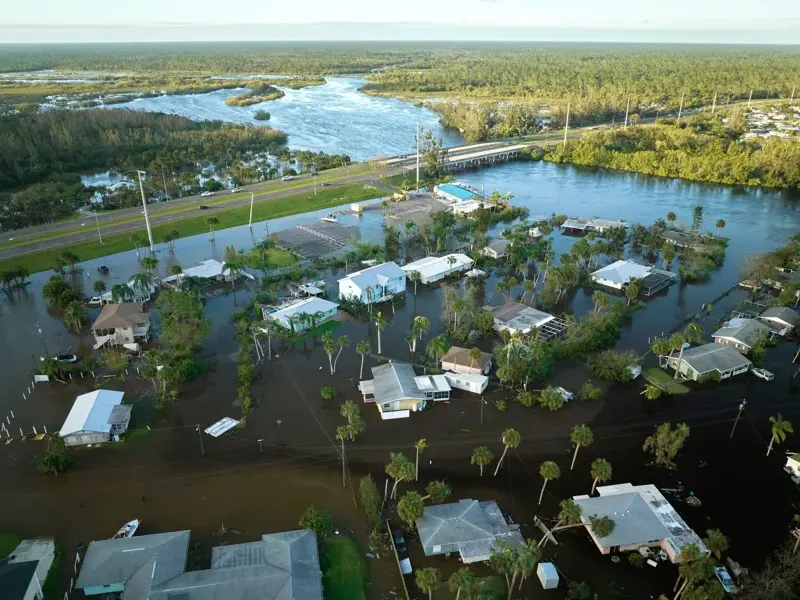
Piru sits on the Santa Clara River Valley floor, with Piru Creek flowing in from the Sespe Wilderness. When storms hit, runoff gathers where the land is flat and homes sit low.
Key takeaways
- The creek drains the Sespe Wilderness and flows into the Santa Clara River beside the town.
- Storm runoff is outside water, so it brings silt and contaminants and is handled as a flood, not a leak.
- No named local storm event applies here; the plan is built on how outside water behaves, not on one past storm.
- Water enters through doors, garage thresholds, vents and gaps, so the lowest rooms are checked first.
- The best response is quick extraction, careful removal of soaked materials and full drying of the structure.
Where the runoff comes from
Piru is an unincorporated historic town in eastern Ventura County, in the Santa Clara River Valley near the Santa Clara River and Highway 126.
The creek drains the Sespe Wilderness, is a designated wild and scenic river in part and flows into the Santa Clara River. Lake Piru, a reservoir formed by Santa Felicia Dam, sits upstream, and Agua Blanca Creek feeds it from above.
After heavy rain, water moves off the hills and collects on the valley floor.
Because the creek and the river meet beside town, the valley floor is the place where water from several directions can gather.
The historic town center around the railroad, the area east of the creek and the areas south along Main Street all sit in this same valley setting.
The creek is a designated wild and scenic river in part, and the stretch in town is the end of a long path that starts in the Los Padres National Forest.
How storm water gets into a house
Storm water seldom arrives as one big wave. It usually seeps in through the weakest points.
The slow path matters most. A thin trickle under a door during a long rain can soak a floor edge for hours before anyone looks, and the water then wicks up behind the baseboard.
- Door thresholds and sliding glass doors
- Garage doors with worn seals
- Air vents and crawl space openings
- Cracks in the floor or the base of walls
- Window wells and low windows
- Utility penetrations where pipes enter the house
- Water pushed under a door by wind driven rain.
Why storm water is treated as contaminated
Outside water crosses yards, roads and fields before it reaches a house. It carries soil, plant matter and whatever else was on the ground.
That is why the cleanup plan differs from a plumbing leak. Storm water damage work here starts with extraction and removes porous materials that held the water.
Mud that dries on a floor can seal moisture under it, so it is removed rather than left to dry in place.
Paper, cardboard and fabric that held storm water are the first to go. They are hard to clean and quick to smell.
What can usually be saved
Hard surfaces such as tile and sealed concrete can often be cleaned and dried in place. Solid wood furniture can sometimes be cleaned too.
What is usually removed
Carpet and pad, wet insulation, lower drywall and particleboard cabinets tend to be removed because they hold contaminated water.
Steps to take after storm water enters
The first hour matters less than the first day, but a clear order still helps.
Storm water that stays in a room for a long period raises the odds of swollen trim and peeling paint, which is why quick action pays off.
If the house has a crawl space, check it too; water can pool there without any sign inside.
About half of occupied homes in town are rented, so tenants should tell the landlord at once and keep their own photos of the damage.
Do not use a household vacuum on standing water. Only wet vacuums made for water should be used, and only with a dry outlet and a safe cord.
- Stay out of rooms with live outlets or standing water near electrical equipment.
- Take photos of the water level and any damage.
- Move belongings to higher ground or outside the wet zone.
- Contact the insurance agent to ask what applies to storm and flood loss.
- Call the restoration team for extraction and drying.

Extraction, then drying
The crew pumps and extracts standing water first. Drying only works once the bulk water is gone.
After extraction, moisture meters direct the work. Flood damage cleanup includes dehumidifiers and air movers placed to dry walls, floors and framing at once.
The town has a hot-summer Mediterranean climate with hot, dry summers, which helps drying in summer. Winter storms bring damp air, so controlled equipment matters more then.
When the building is dry, the team confirms it with readings, not by touch. A wall can feel dry on the surface and still hold water inside.
Equipment placement is part of the plan: air movers go along walls and under cabinet edges, and dehumidifiers sit where air can circulate.
Preparing before the next storm
A few simple habits reduce what storm water can do, and the local water damage team can point out weak spots during a visit.
Small steps now cost little. Seal gaps around utility penetrations, grade soil away from the foundation where possible and keep sandbags or similar barriers on hand for doors.
- Clear gutters, downspouts and drains before rain.
- Check door and garage seals each fall.
- Keep valuables off floors in low rooms.
- Store important papers in a waterproof container.
- Photograph the home and belongings now for claim records.
Historic buildings and older construction
The town has a historic downtown that dates to the late 1880s and 1890s, and the Piru Mansion, a Queen Anne style home built in 1890, stands in town.
Older buildings often use materials that react differently to water than newer ones. Plaster, old wood framing and early flooring each have their own drying needs.
Anyone with a historic building should tell the restoration team about its age, so drying can be gentle and controlled. Rushing can crack plaster or warp old boards.
- Plaster may need slower, controlled drying.
- Old wood floors can cup or split if dried too fast.
- Original trim is worth saving where it can be dried properly.
- Document the building condition before work begins.
Questions
Does the creek flood homes in town?
No named flood is claimed here. What matters is that storm runoff gathers on the valley floor, so any house can see outside water in a heavy rain.
Is storm runoff dangerous to touch?
It can carry contaminants, so wear boots and gloves and avoid contact where possible. Wash skin after contact and keep children and pets out.
Can floors be dried instead of replaced?
Sometimes. Hard floors like tile often dry in place, while carpet and soaked wood laminate are usually removed after storm water.
Who handles the cleanup?
A water damage restoration team extracts the water, removes ruined materials and dries the structure. Insurance questions go to the insurer.
Does the hot weather here help drying?
In summer, dry heat helps. In winter storms the air is damp and equipment does most of the work.
Are historic homes handled differently after storm water?
Often yes. Old plaster, wood and finishes need controlled drying and careful removal, so the crew should know the building age before work starts.