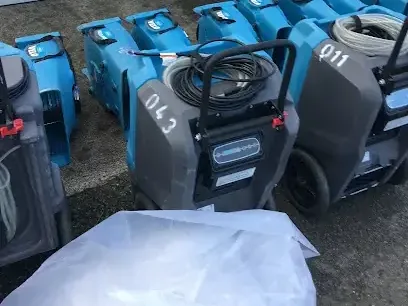
Framing, slab and subfloor drying

Structural Drying in Santa Paula, CA

Structural drying dries the house itself: studs, joists, subfloor, slab and the drywall still on the wall. The drying team sizes air movers and LGR dehumidifiers to the space and logs readings every day until materials are dry.

(888) 578-6508Bring in the LGR drying setup
24/7 drying dispatch LGR dehumidifiers sized to the room Daily psychrometric logs
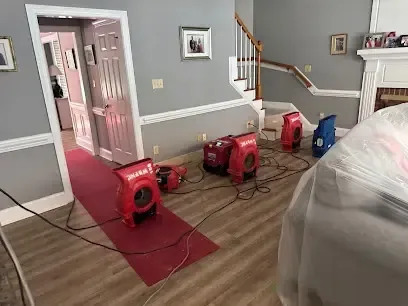
Air movers and a dehumidifier running across a wet wood floor
StandardIICRC S500
EquipmentAir movers and LGR dehumidifiers
RecordsDaily psychrometric logs
Done whenReadings match a dry reference
Right now

First steps for structural drying

Leave it running

Air movers and dehumidifiers stay on around the clock.

Close up

Windows and doors stay shut unless the crew says otherwise.

Keep it open

Wall cavities and containment stay open until drying ends.

Watch for changes

Any new damp spot is pointed out to the crew.

What to do now

What to do while drying equipment runs

A few habits help the drying finish on time:

  • Keep the equipment on day and night; unplugging it resets progress
  • Keep windows and exterior doors closed unless the crew says otherwise
  • Leave the containment and the cavities open
  • Keep children and pets away from the cords and air movers
  • Note any new damp spots and report them at the next visit

The crew removes equipment only when readings say dry, not on a fixed day.

Structural Drying at a glance

Structural drying to the IICRC S500 standard: moisture mapping, air movers and LGR dehumidifiers sized to the space, daily psychrometric logs and readings until materials match a dry reference.

Cost

What does structural drying cost in Santa Paula, CA?

Structural drying here typically runs $1,000 to $6,000, set by the number of rooms, the drying class and how many days the equipment has to run.

One or two rooms

$1,000 to $2,500
  • Class 1 or 2 drying
  • A few air movers and one dehumidifier
  • 3 days of readings

Several rooms

$2,500 to $6,000
  • Class 2 or 3 drying
  • Several dehumidifiers
  • Walls and floors logged

Dense materials

$6,000 to $12,000
  • Class 4: hardwood, plaster, slab
  • Mats or desiccant units
  • Longer drying

Ranges are typical, not a quote: water category, square footage, material class and how fast drying started move the number most. Try the water damage cost calculator for a closer range.

How it works

How structural drying is handled, step by step

1

Map moisture

Meters and a thermal camera map every wet material and a dry reference.

2

Size the setup

Air movers and LGR dehumidifiers are matched to the room and the drying class.

3

Log daily

Psychrometric readings and material readings are recorded each visit.

4

Close out

Equipment comes out when readings match the dry reference.

The details

Understanding structural drying

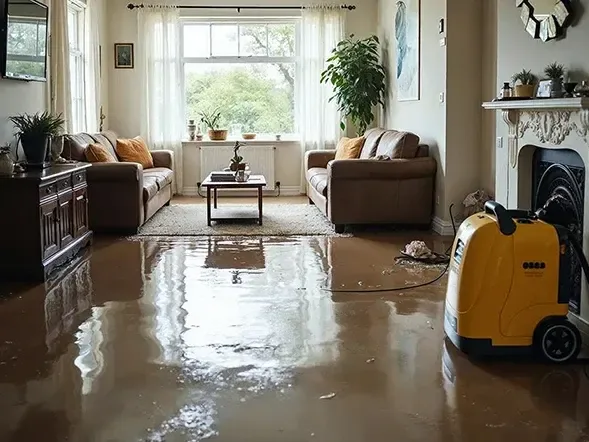
After extraction, the water left inside framing, concrete and drywall is what causes trouble later: swelling, rot and warped floors. Structural drying removes that water in a controlled way. It is measured, not guessed, and it follows the published IICRC S500 standard from the first reading to the last.

Category and class

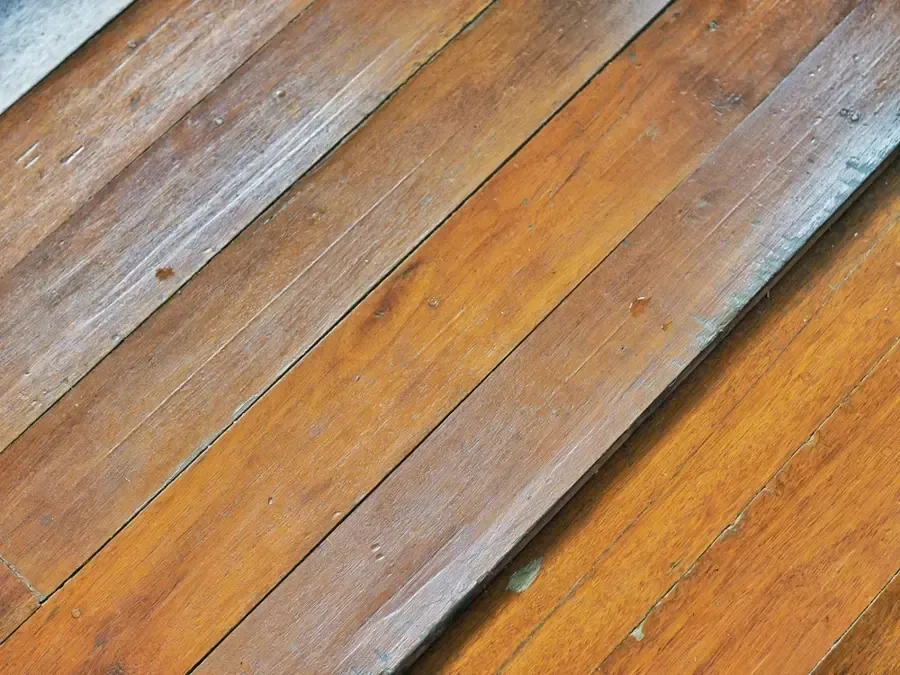
The tech records the water category, which sets what must be removed, and the drying class, which sets how much equipment is needed. Class 1 is a small area with little absorbed water; Class 4 means dense materials like hardwood, plaster or concrete holding water deep inside. The class drives the number of air movers and dehumidifiers.

Balanced drying

Air movers push dry air across wet surfaces, and LGR dehumidifiers pull the water back out of the room air. The ratio matters: too much airflow without enough dehumidification just raises indoor humidity. The crew takes psychrometric readings each visit and adjusts the setup until the logs show steady progress.
Service area

Structural drying across Santa Paula and nearby

Dispatch runs day and night, and the nearest crew is routed by cross street.

Santa Paula, CA

Crews cover ZIP 93060 and 93061, from downtown Main Street and the Santa Paula Creek west bank out to East Area One, Magnolia Drive, Birch Street and the ranch homes up Mud Creek Canyon.

Nearby coverage reaches Oak View, Piru, Fillmore, Ojai, Saticoy, Oxnard, Camarillo.

See every neighborhood and community covered
Structural Drying: drying crews are on call 24/7 (888) 578-6508
Questions

Structural Drying questions

Still dealing with it?

Framing or floors still damp after a leak? Phone to have it measured.

(888) 578-6508 (888) 578-6508Ask how readings prove dry
How long does structural drying take?

Most jobs take 3 to 5 days. Hardwood, plaster and concrete can push it to a week or more.

What is a dry reference?

A reading taken on the same material in an unaffected part of the house. Drying is done when wet materials read within 2 to 4 points of it.

Why do the dehumidifiers matter so much?

Air movers lift water out of materials into the air. The dehumidifier removes it from the air, or the room just gets more humid.

Can drying equipment be turned off at night?

No. Turning it off lets moisture settle back into the materials and adds days to the job.

Is structural drying covered by insurance?

When the water loss itself is covered, drying is usually part of it. Check your own policy; the crew documents everything for the claim.

24/7 emergency dispatch

Water got into the framing? Get it dried to the IICRC S500 standard

The drying team sizes the equipment to the room and logs every reading until it is dry.

(888) 578-6508Book a full structural dry-out
Santa Paula Water Damage Restoration Santa Paula, CA (888) 578-6508 Open 24 / 7 / 365
Call (888) 578-6508 · 24/7 dispatch