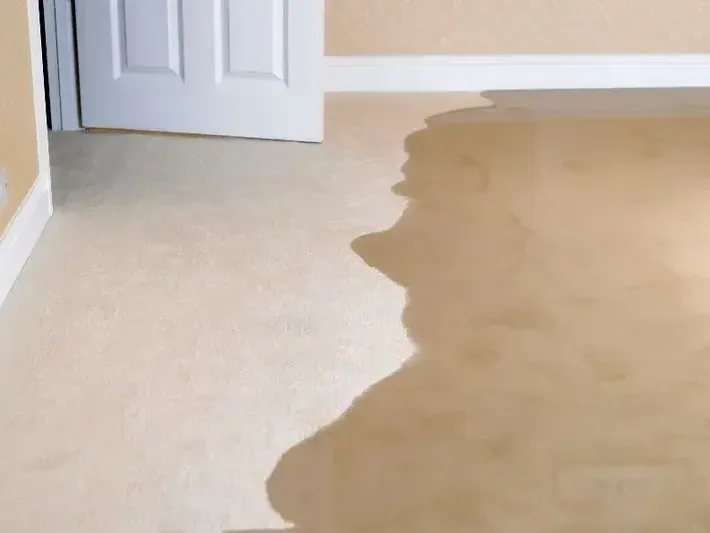
The largest share of housing in Santa Paula was built in the 1960s. Plumbing that age can fail without any visible sign, until a floor turns warm or a bill jumps.
Key takeaways
- Santa Paula has its highest share of housing units in the 1960s, so many homes have pipes that are decades old.
- A warm spot on the floor, the sound of running water with every tap off, or a rising bill can all point to a hidden leak.
- A slab leak is one that sits under a concrete floor; not every home is built that way, so the foundation type matters.
- Finding the source comes first. Drying and repair only hold if the leak is located and stopped.
- Hidden leaks soak subfloors and framing, so structural drying often follows the plumbing repair.
Why home age matters for hidden leaks
Santa Paula is a city in the Santa Clara River Valley, and its housing runs from the early bungalows near Main Street to a large block built in the 1960s. When an aging supply pipe splits instead of weeping, the result is burst pipe water damage.
Pipes carry water for decades. Over time joints loosen, metal wears thin and fittings corrode, and a leak may start out as a slow weep that no one sees.
None of this means a home is failing. It means that older systems deserve a closer look when a clue appears.
A house from that period may also have had pipe repairs, remodels and additions over the years, so the plumbing inside a wall is rarely one uniform system.
Mixed materials and old repairs can create weak points. That is one reason a small leak in an older home deserves attention at once.
Households matter too. Santa Paula averages 3.24 persons per household, and more people mean more showers, laundry and dishwasher cycles running through the same pipes.
Clues that a leak is hiding
Hidden leaks send small signals. Spotting them early is cheaper than finding them after a floor buckles.
- The water meter keeps moving after every fixture is off.
- A floor feels warm in one patch, which can mean a hot water supply pipe is leaking below.
- Baseboards swell or paint bubbles low on a wall.
- Carpet feels damp, or a hallway smells musty.
- The sound of running or hissing water in a quiet house.
- A bill climbs without any change in use.
- A cool spot on a wall can also mean a drain pipe is leaking, not only a supply pipe.
- A bill with higher use but no new fixture or guest.
Slab leaks: what they are and what they are not
A slab leak is a leak in a pipe that runs in or under a concrete slab floor. Where that is the case, water can rise through cracks or spread under flooring.
Foundation type is not the same in every home. Some houses have a raised floor with a crawl space, and a leak there looks different, so confirm the foundation before assuming anything.
Detecting the leak is a plumbing job. Cleanup begins after the source is shut off.
This is where slab leak water damage work picks up.
Leak detection uses acoustic listening devices, thermal cameras and pressure tests. These tools find the area to open, so that only a small section of floor needs to be cut.
After the source is known, the plumber repairs or reroutes the pipe, and the restoration team handles the wet materials around it. Each trade works from the same moisture map.
Where the water goes
Water follows gravity and the easiest path. It can move sideways under tile or laminate, soak the underside of cabinets and wick into the base of walls.
What the cleanup covers
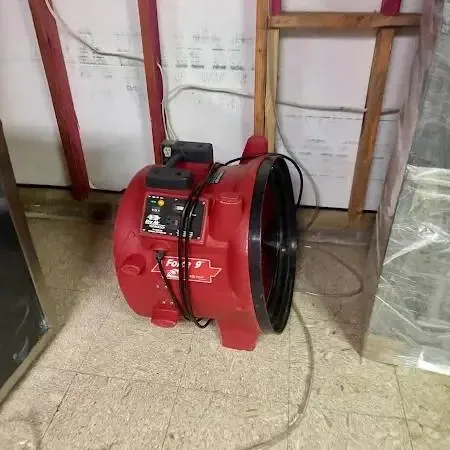
The team extracts any standing water, lifts flooring that cannot dry in place, and sets up drying equipment around the affected zone.
- Moisture mapping with a meter
- Lifting wet flooring and underlayment
- Cutting back damp drywall at the base
- Air movers and dehumidifiers on the slab surface
What to do the moment a leak is suspected
Act before the damage spreads. A few quick moves limit the cleanup.
Do not run the dishwasher or washing machine until the source is known. Added use can push more water into the hidden area.
- Shut off the main water supply to the house.
- Turn off water heater power if the leak may involve its supply.
- Note the meter reading, wait, and check whether it moved.
- Photograph any wet spots or stains with the date.
- Move rugs, shoes and small furniture off damp areas.
- Call a plumber for leak detection and a restoration team for drying.
Why drying comes after the repair
A repaired pipe stops new water. It does not remove the water that is already in the subfloor and walls.
The drying team measures moisture in materials, not just air. That is how structural drying tells a dry surface from a dry wall.
If wet materials stay in place, they can swell, warp and develop odor. Careful drying often saves flooring and cabinets that would otherwise be removed, and water extraction takes out any standing water first.
Drying a concrete slab takes time, because the slab holds moisture and releases it slowly. The team checks readings over several visits.
Wood subfloors and cabinets dry faster but are also quicker to warp, so they come first on the drying plan.
Final readings are compared with unaffected rooms in the same house. When wet and dry areas match, drying is done.
Insurance and records for a hidden leak
Hidden leaks raise questions about when the damage began. Keep records that show how it was found.
Policies differ on gradual leaks and sudden ones, so the claim file benefits from clear notes and the plumber report.
A plumber report, dated photos and meter readings together make a clear record of when and how the leak was found.
Ask the insurer early what the policy says about hidden or gradual leaks, and keep any denial or approval letter with the file.
- Meter readings with dates
- Photos before and after opening any floor or wall
- The plumber report naming the cause
- Invoices for drying and repair work
Keeping an older home ahead of leaks
A few small habits help any older house, whatever its foundation.
None of these is a repair. They simply give an owner more chances to catch a leak early, when it costs the least to fix.
- Read the water meter at night and again in the morning when no one uses water.
- Check under sinks and behind toilets twice a year.
- Look at the water heater base and its pan.
- Replace worn supply hoses on washers and dishwashers.
- Know where the main shutoff is and that it turns.
- Watch the ceiling below upstairs bathrooms for stains.
Questions
How do I know if I have a slab leak?
Common signs are a warm floor spot, a meter that moves with everything off, damp flooring or the sound of running water. A plumber can confirm it with leak detection tools.
Do all Santa Paula homes have concrete slabs?
No. Foundation types vary with age and design, and only a look at the home can confirm which one applies. A slab leak only applies where pipes run in or under a slab.
Can a hidden leak cause damage without being seen?
Yes. Water can soak a subfloor, the base of walls and the back of cabinets for weeks before a stain or smell appears.
Who fixes the pipe, and who dries the house?
A plumber finds and repairs the leak. A water damage restoration team then extracts water and dries the structure, usually in that order.
Is flooring always lost after a hidden leak?
Not always. Fast detection and proper drying can save many floors, while long term moisture often means replacement.
What does it cost to find a hidden leak?
Prices vary by plumber and method. A plumber can explain the method and the likely work before starting.